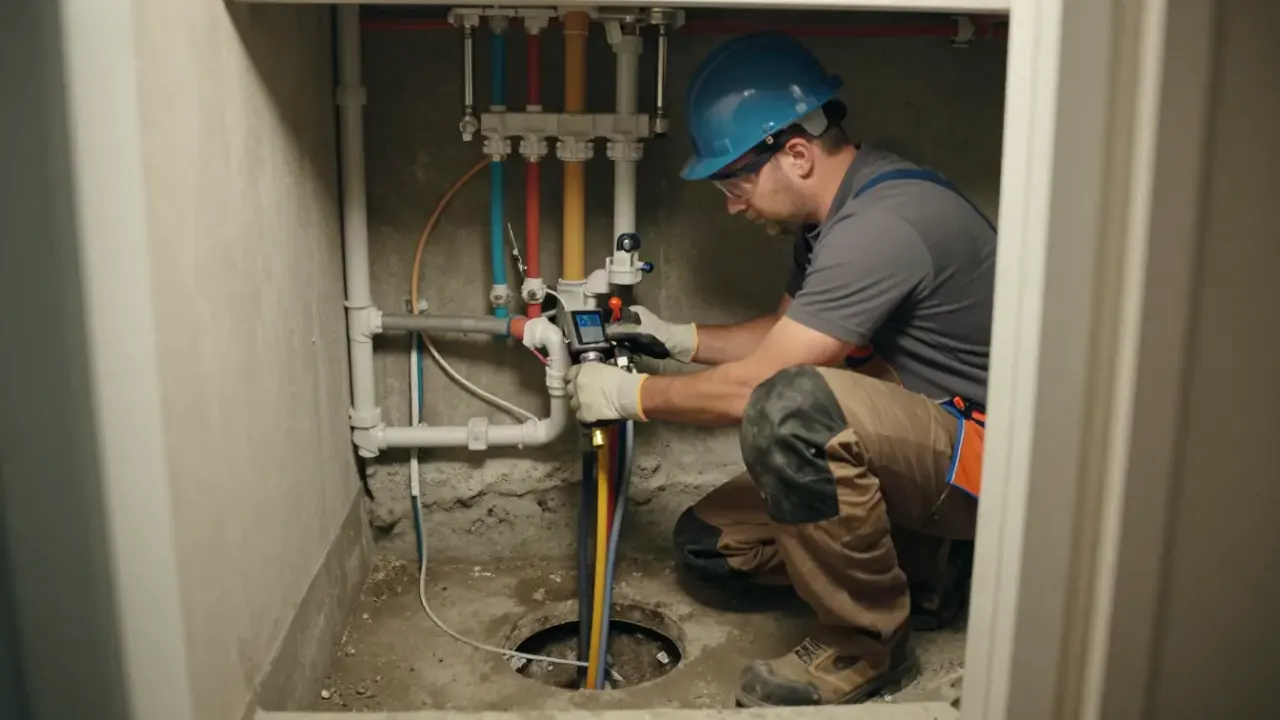
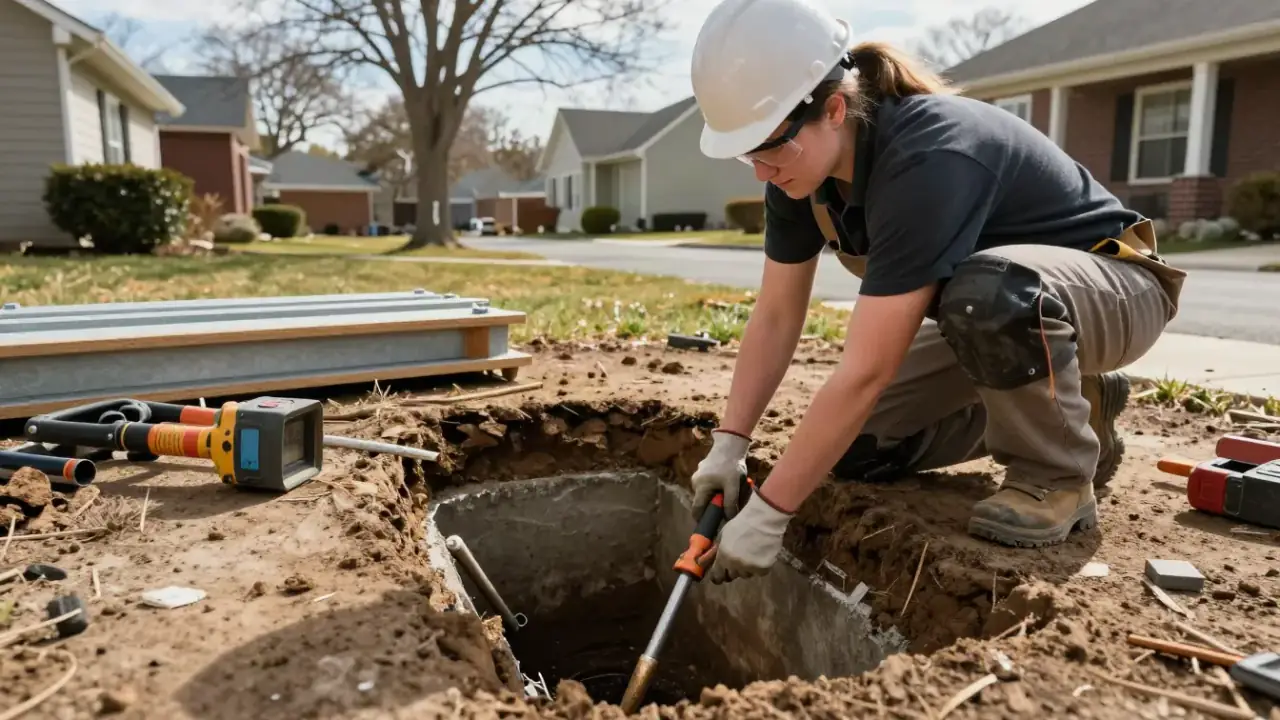
We tunnel under the slab, fix the pipe, and leave your floors untouched.

Slab leak tunneling Missouri City TX without breaking your floors

Slab leak tunneling Missouri City TX means we dig a narrow access tunnel beneath your foundation instead of jackhammering through your kitchen tile. If you have a hot spot on the floor, a water bill that jumped $80 or more, or the sound of running water when nothing is on, we find the leak with acoustic and thermal gear and repair it the same day. We serve homeowners across Fort Bend County, Texas.

↗
Fast online booking

Request service today

Tell us what is happening. A local dispatcher will confirm your visit shortly.

No spam. No obligation. Just practical help.
Thanks — we'll call shortly to confirm your visit.
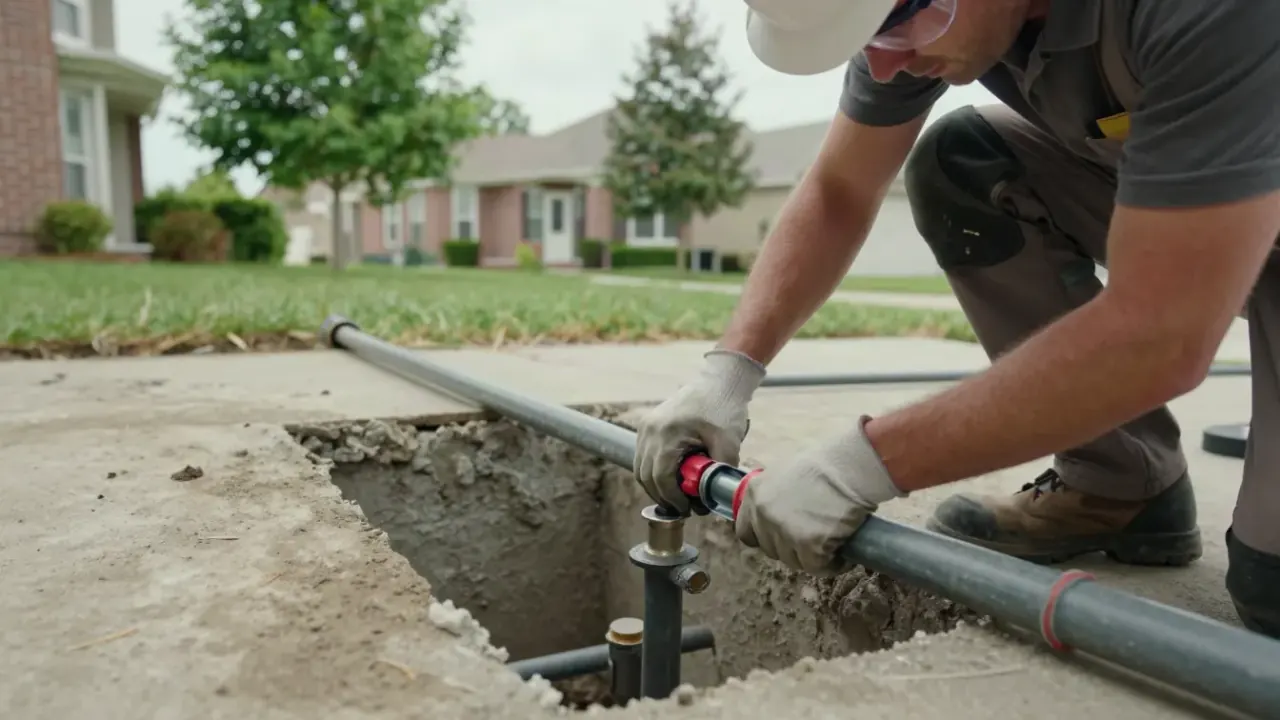
Slab Leak Tunneling (Under-Slab Access) in Missouri City, Texas: plumber carefully shoring up the sides of a newly dug
Careful work. Honest options.
About this service

What slab leak tunneling Missouri City TX actually involves

Slab leak tunneling Missouri City TX is a repair method that reaches a leaking pipe from below the foundation rather than through the slab itself. We dig a small entry pit outside the footprint of the house, usually 24 to 36 inches wide, then hand-tunnel under the slab to the exact leak point. The pipe gets cut out and replaced with copper or PEX, pressure-tested at 80 psi, and the tunnel is backfilled and compacted in lifts. Your tile, hardwood, and baseboards stay exactly where they are.

Most Missouri City homes sit on post-tension slabs, and those cables cannot be cut, which rules out careless concrete breaking. Tunneling for slab leaks Missouri City TX avoids that risk entirely. We see the same pattern in Sienna and Riverstone: copper pipe corrosion on 1990s builds, high water bills, and a warm spot near the water heater. One call to (281) 326-6169 gets a leak located and a tunnel access slab leak repair Sienna Missouri City homeowners can schedule the same week.

  • ✓ Floors stay untouched
  • ✓ Post-tension safe
  • ✓ Faster return to normal
  • ✓ Lower total cost
What's included

What our under-slab access service includes

Every tunneling job covers detection, the tunnel, the pipe repair, the pressure test, and the backfill. If your job needs a permit, we pull it. Flooring replacement is not part of the scope because tunneling avoids it, and we will tell you upfront if a different repair method makes more sense for your slab.

✓

Leak detection and mapping

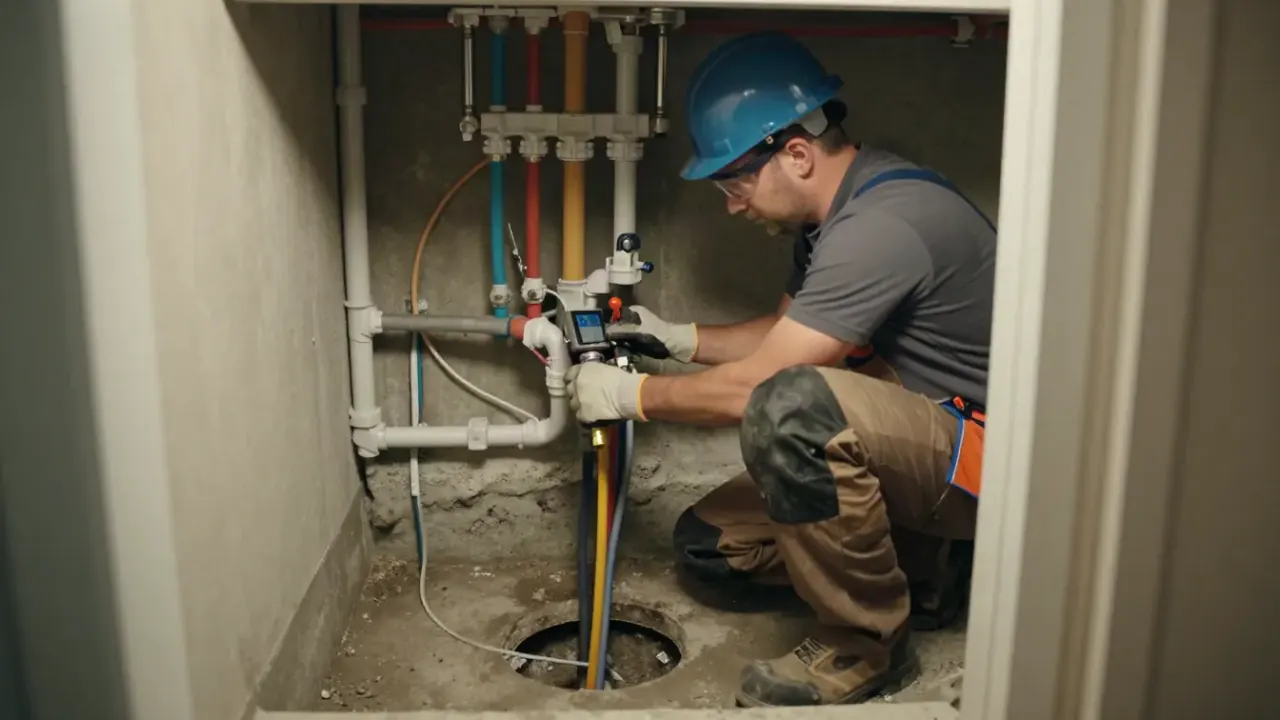
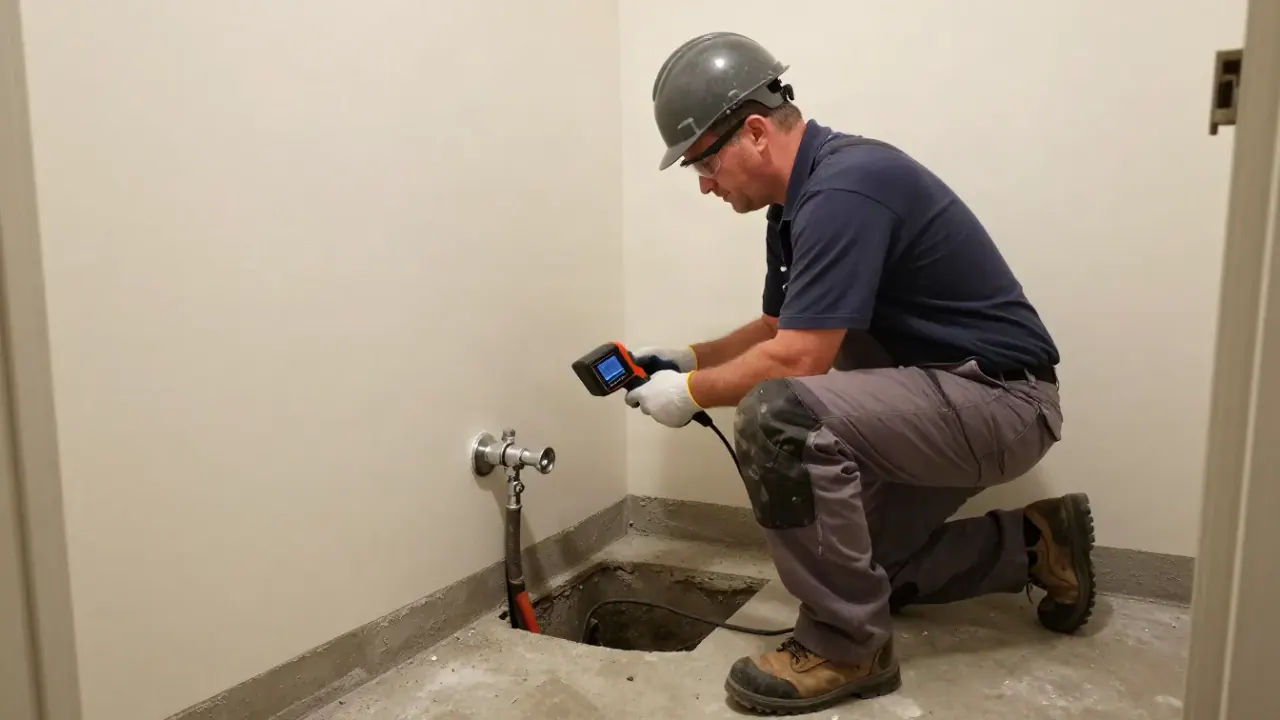
Electronic leak detection, acoustic listening devices, a thermal imaging camera, and a moisture meter. We mark the leak within a few inches and confirm the pipe route before anyone digs, so the tunnel goes straight to the problem.

✓

Entry pit and hand tunnel

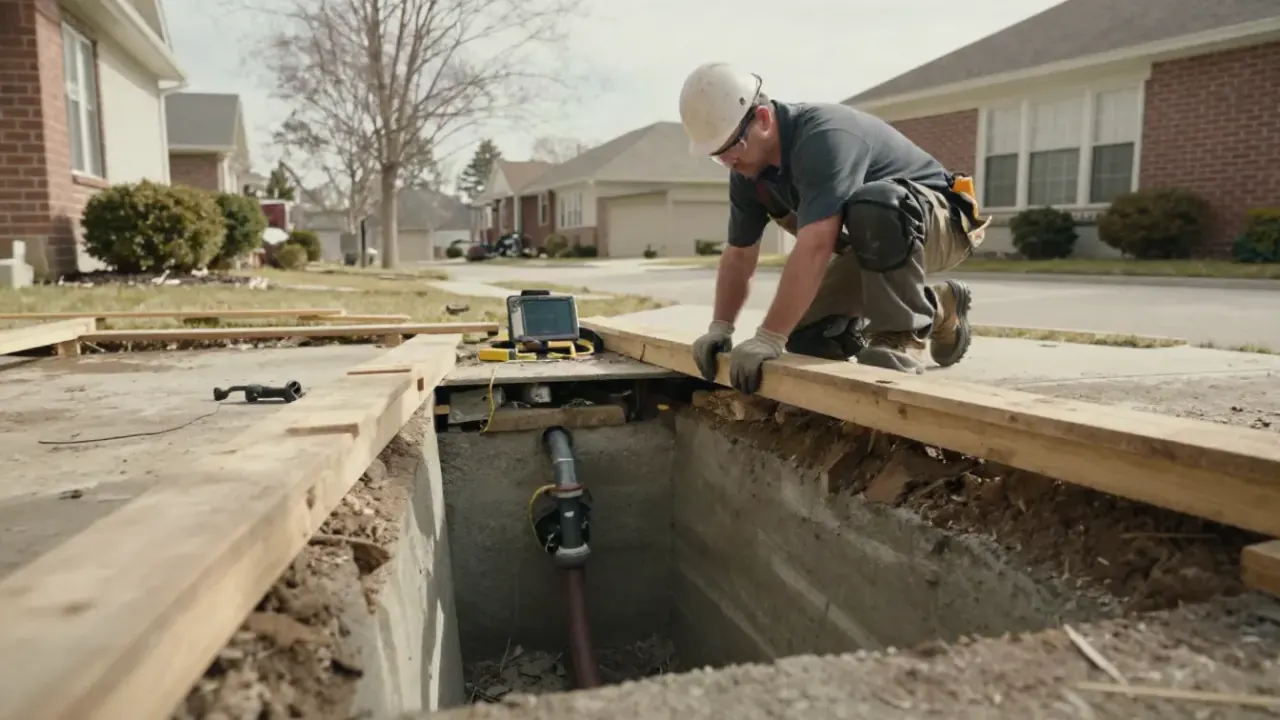
A 24 to 36 inch entry pit outside the slab edge, then a shored hand tunnel to the leak. Most runs are 6 to 15 feet. We keep the excavation tight so the soil under your foundation stays stable and the yard damage stays small.

✓

Pipe replacement and fittings

We cut out the failed section and replace it with copper or PEX, using SharkBite or Uponor fittings where they fit the line. Joints are soldered or crimped to code, and the new section matches the existing pipe size.

✓

Pressure test and documentation

The repaired line is pressure-tested at 80 psi for 30 minutes. You get the results in writing along with the warranty. That paperwork matters if you file an insurance claim or sell the house later.

✓

Backfill and yard restoration

We backfill in 6-inch lifts, compact each one, and restore the entry pit and surrounding yard. The site is left level and clean, and you get a walkthrough before we pack up.

How it works

How our under-slab access process works

01

Leak detection

We start with electronic leak detection and acoustic listening devices to pinpoint the leak within a few inches. A thermal imaging camera confirms the hot-water line path, and a moisture meter maps how far water has spread. This step takes 45 to 90 minutes and tells us whether tunneling is the right call.

02

Tunnel layout

We mark the entry pit location, usually in a flower bed or yard strip outside the slab edge, and confirm the pipe route with a pipe locator. You approve the spot before we dig. Entry pits stay 24 to 36 inches wide and 3 to 4 feet deep, which keeps the yard damage minimal.

03

Hand tunneling

Our crew hand-digs under the slab to the leak point, shoring as we go. Trenchless tunneling Missouri City keeps the excavation tight and controlled, so soil under the foundation stays stable. Most tunnels run 6 to 15 feet and take four to eight hours of digging.

04

Pipe repair and test

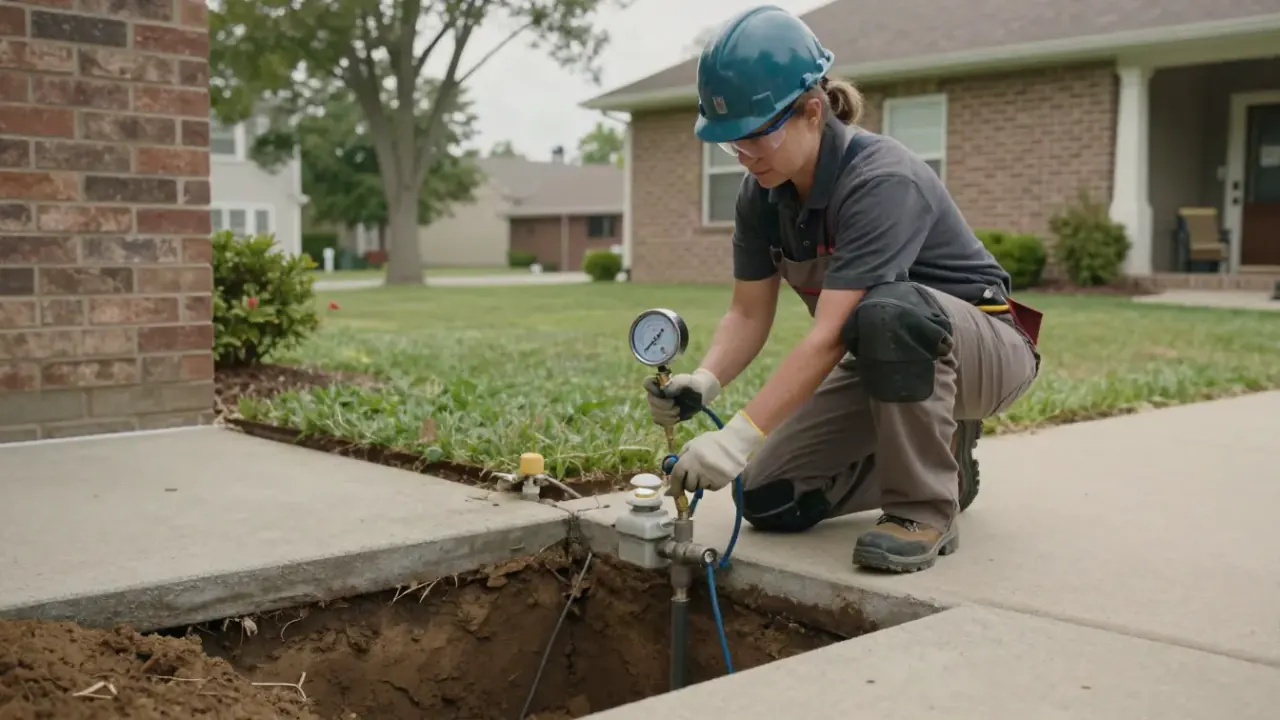
We cut out the failed section and replace it with copper or PEX, using SharkBite or Uponor fittings where the line calls for them. The new section is pressure-tested at 80 psi for 30 minutes. If it holds, we move to backfill. If it does not, we find the problem before anything is covered.

05

Backfill and restore

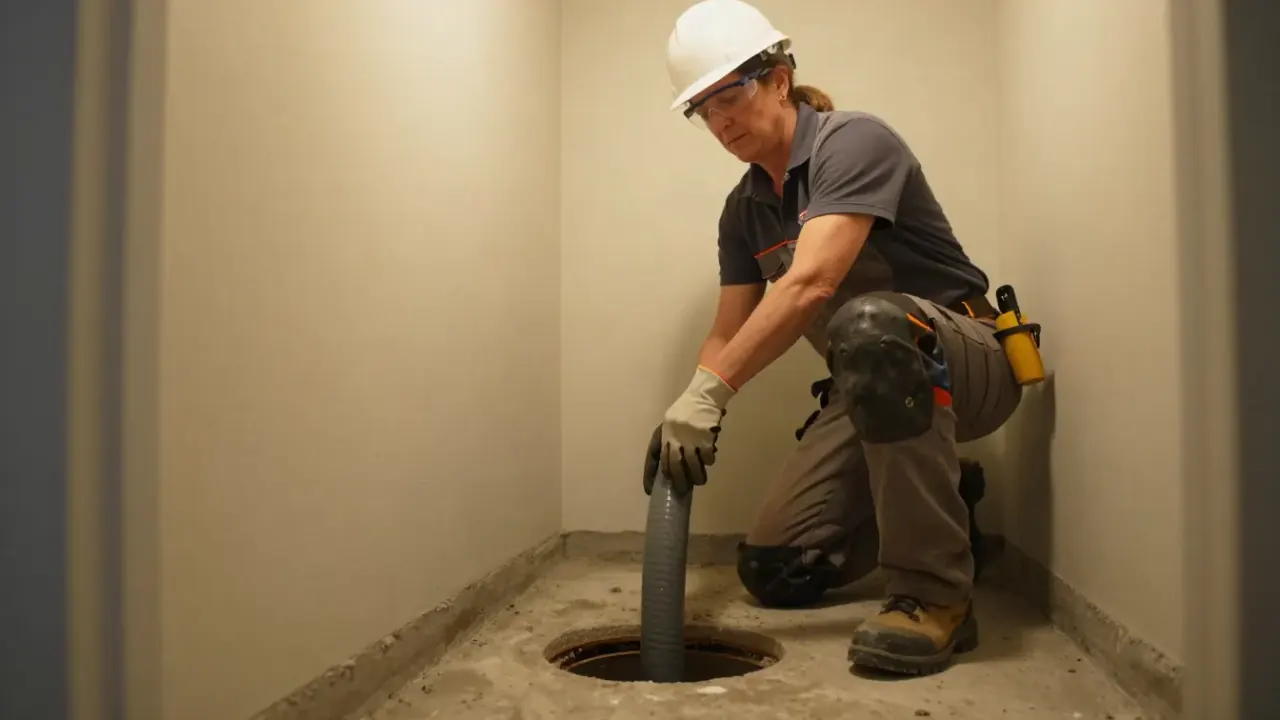
We backfill in 6-inch lifts and compact each one, then restore the entry pit and yard. You get a walkthrough, the test results, and a written warranty on the repair. Total time on site is usually one to two days, and you can use your water the same evening.

Tools & methods

Tools and methods we use under your slab

Purpose-built equipment, used by trained technicians — so the job is done accurately the first time.

Electronic leak detection

Amplifies the sound of pressurized water escaping a pipe so we can mark the leak within a few inches before any digging starts.

Acoustic listening devices

Confirms the leak location on hot and cold lines and helps us rule out a drain or irrigation problem before we commit to a tunnel.

Thermal imaging camera

Shows the heat signature of a hot water line leak across the floor, which tells us the pipe route and how far the tunnel needs to run.

Pipe locator

Maps the pipe path and, on post-tension slabs, helps us avoid cables so the tunnel stays clear of anything structural.

Pressure testing equipment

Holds the repaired line at 80 psi for 30 minutes so we know the joint is sound before the tunnel gets backfilled.

Moisture meter

Measures how far water has spread under the slab and into baseboards, which tells us whether drying or mold treatment is needed.

Real results

Before and after.

Sienna hot water line, 9-foot tunnel

Before

A Sienna family heard water running at night and watched their bill climb $118 in one month. A warm strip ran along the hallway tile, and two companies quoted a kitchen floor demolition.

After

We located the leak with acoustic gear, dug a 30-inch entry pit in the flower bed, and tunneled 9 feet to a failed copper elbow. The section was replaced, tested at 80 psi, and backfilled the next morning.

Quail Valley post-tension slab repair

Before

A 1986 Quail Valley home had a pinhole leak under the living room and a post-tension slab nobody wanted to cut. The homeowner was told the only option was breaking concrete and risking the cables.

After

We mapped the cable grid with a pipe locator, hand-tunneled 13 feet beneath the tension cables, and replaced 11 feet of pitted copper. Pressure held at 80 psi, and the slab was never touched.

Lake Olympia repeat leak, end of cycle

Before

A rental in Lake Olympia had three under-slab patches in four years, each one costing the owner money and tenant goodwill. The copper run was pitted along most of its length.

After

We tunneled to the worst section, replaced it, then rerouted the remaining run through the attic so it stays accessible. No more slab work, and the tenant stayed in place through the job.

Problems we solve

Under-slab problems we fix without breaking floors

Most under-slab leaks show up as a higher water bill, a warm floor spot, or the sound of running water. Here are the problems we solve most often in Missouri City and how we handle each one.

Ask a pro →
01

Water bill jumped $80 or more with no change in use

We run electronic leak detection and acoustic listening devices to confirm the leak, then tunnel to the failed section and replace it. Most repairs finish in one to two days, and the bill usually returns to normal the next cycle.

↗
02

Warm spot on the floor near the water heater

We use a thermal imaging camera to map the hot line, tunnel in, and replace the failed copper with new pipe. Pressure test at 80 psi confirms the fix before we backfill.

↗
03

Post-tension slab with a suspected leak

We never cut the slab. A pipe locator and thermal camera map the cables first, then we hand-tunnel beneath them to reach the pipe. The cables stay intact and the foundation stays stable.

↗
04

Repeat leaks on the same copper run

We tunnel once and replace the whole failed run, not just the pinhole. If the rest of the line is marginal, we will show you and quote pipe rerouting or epoxy pipe lining so you stop paying for repeat repairs.

↗
Transparent pricing

What slab leak tunneling costs

$2,800 - $6,500 depending on tunnel length, slab type, and pipe material

Tunneling is priced by the job, not the hour. Typical 2026 pricing in the Missouri City area runs $2,800 to $6,500 for a residential tunnel repair, covering detection, the tunnel, pipe replacement, pressure testing, and backfill. A short 6-foot tunnel on a shallow line sits at the low end. A 15-foot run under a post-tension slab with a deep entry pit sits at the high end. We give you the flat number before we dig, and we will tell you if a surface cut would be cheaper for your situation.

You are paying to avoid demolition, floor replacement, and a week of disruption. Tunneling usually costs less than break-and-repair once you add tile matching and restoration, and it protects post-tension cables that cannot be replaced.

01Tunnel length

Most tunnels run 6 to 15 feet. Every additional foot adds labor and shoring, so a 15-foot run can cost $1,500 more than a 6-foot one. We measure the pipe route during detection so you get an accurate quote.

03Pipe material

Copper replacement costs more than PEX because of material and soldering time. If your home already has PEX, the repair is usually faster and cheaper. We quote both options when either will work.

04Post-tension mapping

Post-tension slabs need cable mapping with a pipe locator before digging. That adds a step but prevents a cable strike that could cost tens of thousands. It is not optional on those slabs.
Proof you can check

Licensed, insured, and warrantied

✓
Master Plumber LicenseTexas State Board of Plumbing Examiners (TSBPE)
✓
Journeyman Plumber LicenseTexas State Board of Plumbing Examiners (TSBPE)
✓
ICC CertificationInternational Code Council
✓
OSHA Safety CertificationOccupational Safety and Health Administration
✓
IAPMO CertificationInternational Association of Plumbing and Mechanical Officials
Customer reviews

What neighbors say about our tunneling work

★★★★★
“Our water bill jumped almost $120 and we had a warm spot near the hallway. They found the hot water line leak in about an hour, tunneled in from the flower bed, and had it fixed the next day. No tile was touched. The pressure test paperwork came with a one-year warranty.”
DR

Denise R.Homeowner, Sienna

✓ Verified
★★★★★
“We had a post-tension slab and were nervous about anyone cutting it. They used a pipe locator and thermal camera first, then hand-tunneled to the leak. Pressure test held at 80 psi, and they walked me through the whole thing. Fair price and no surprise charges.”
PS

Priya S.Homeowner, Lake Olympia

✓ Verified
Good questions

Frequently Asked Questions

(281) 326-6169 →

It is a repair method that reaches a leaking under-slab pipe from a tunnel dug below the foundation instead of breaking through the concrete floor. We dig a small entry pit outside the slab, hand-tunnel to the leak, replace the failed pipe section, and pressure-test it at 80 psi. Your flooring stays intact, and the job usually finishes in one to two days.

Typical 2026 pricing runs $2,800 to $6,500 for a residential tunnel repair, depending on tunnel length, slab depth, and whether the line is copper or PEX. That covers detection, tunneling, pipe replacement, pressure testing, and backfill. It does not include floor replacement, because tunneling avoids it. We give you the flat number before we dig.

For most homes, yes. Breaking concrete means dust, demolition, tile matching, and five to ten days of disruption, and it risks post-tension cables. Tunneling keeps your floors and cables intact and finishes in one to two days. The exception is a shallow leak right at the slab edge, where a small surface cut can be faster and cheaper.

No. We dig a 24 to 36 inch entry pit and hand-tunnel beneath the slab, shoring as we go, then backfill in compacted 6-inch lifts. The slab itself is never cut, and post-tension cables stay untouched. We have completed this work across Fort Bend County on everything from 1970s builds to new construction, and the foundation is left stable.

Ready when you are

Get slab leak tunneling Missouri City TX scheduled today

We answer 24/7, carry leak detection gear on every truck, and give you a flat price before we dig. Licensed, insured, and warrantied in writing. Call now and we will find the leak, tunnel to it, and fix it without touching your floors.

Book a Leak Inspection (281) 326-6169 →
Request an appointment

Contact Us for Slab Leak Help

Call us at (281) 326-6169 or email [email protected]. We answer the phone 24/7 for emergencies and respond to emails within one business hour. Our office is in Missouri City, and we serve all of Fort Bend County.

Call anytime(281) 326-6169Email the office[email protected]
Office hoursOpen 24 hours · 7 days a week
Request received — our team will be in touch shortly.
Tap to call(281) 326-6169